

Blackhorse Lane Ateliers: The Walthamstow Factory Making London Denim Matter Again
From an open-door East London workshop to shops in Soho and King’s Cross, Han Ates’s label is building its case for slower clothes, local skills and repair.
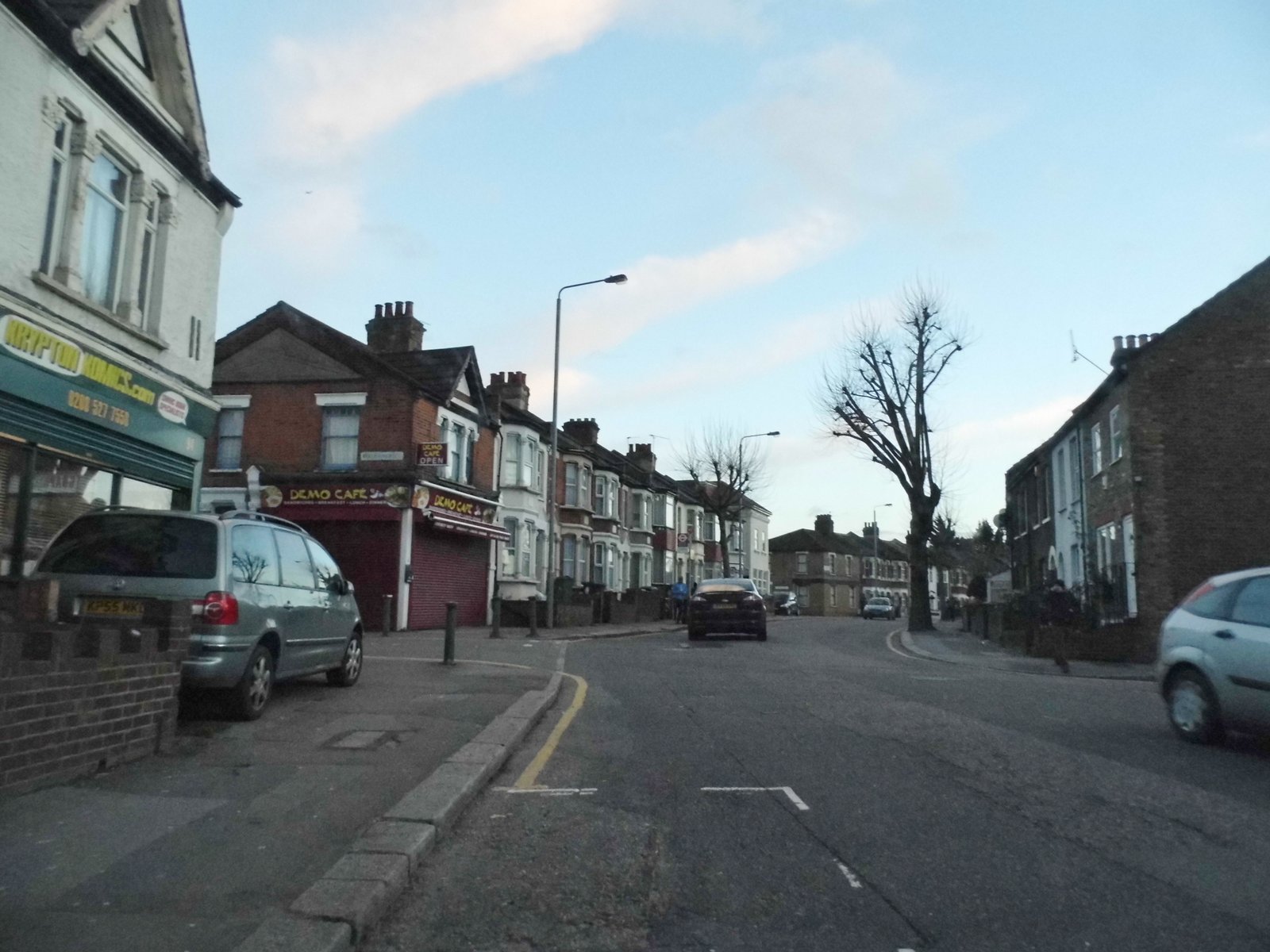

Editorial note: this independent profile is based on the public sources listed below. It is not an endorsement, paid placement or reported interview.
A factory with the door left open
Blackhorse Lane Ateliers begins with a place. Its Walthamstow factory is not a distant production address hidden behind the brand; it is the centre of the story. The company describes the atelier as open-door, a working space where visitors can see garments being cut, stitched and finished in East London.
Founder Han Ates started the label in 2016 with the stated ambition of reviving denim garment-making in London. The premise is deliberately unfashionable in the best sense: make fewer things, make them properly, and let the people wearing them understand where the work happened.
Clothes connected to their makers
The atelier says it employs and trains local machinists, offers shared ownership to every team member and runs an in-house wash laboratory for research and development. Those details matter because they turn “made in London” from a label into a visible system of skills, jobs and decisions.
Its jeans and jackets use natural fibres and selvedge denim sourced from mills in Italy and Japan. Ready-to-wear sits alongside made-to-measure work, while free lifetime repairs on the company’s own garments extend the relationship beyond the first sale.
Repair as a point of view
Repair is both a service and a position. Blackhorse Lane Ateliers also takes on paid alterations and repairs for other denim, challenging the expectation that worn clothes should be replaced rather than maintained. The approach makes longevity tangible: a garment is allowed to change, return to the factory and keep going.
That model has travelled beyond E17 without leaving it behind. The company now lists London shops at Coal Drops Yard and Berwick Street in Soho, but production remains anchored in Walthamstow. Growth, here, is not presented as an escape from the workshop.
Why it belongs on the map
Blackhorse Lane sits inside a wider maker district that Waltham Forest continues to support as a Creative Enterprise Zone. The atelier’s significance is not that it single-handedly speaks for that neighbourhood. It is that its factory gives people a precise example of what locally rooted creative production can look like now.
For Out of London, this is the kind of London story worth remembering: a business whose address, craft and operating choices reinforce one another. The brand is recognisable because the place is not incidental to it.